Bark Peeling, Cracks & Cankers: What They Reveal About Tree Health

February 27, 2026

Noticing changes in your tree’s bark can be alarming. Bark peeling, sudden cracks, or unusual cankers often signal underlying health issues that demand attention. Understanding these symptoms is crucial for maintaining your landscape’s vitality and ensuring safety.

Key Takeaways

  • Bark peeling can be natural for some species, but it signals stress or disease when accompanied by discoloration or fungal growth.
  • Tree cracks indicate structural weaknesses, environmental stress, or internal decay, requiring immediate professional assessment.
  • Cankers are localized lesions caused by pathogens, disrupting nutrient flow and potentially girdling branches or trunks.
  • Mississippi’s humid subtropical climate and clay soils contribute to specific tree health challenges, increasing susceptibility to disease and stress.
  • Early diagnosis and intervention by experienced professionals, like Garrison McKinney Tree Service, are essential for effective treatment and preventing tree loss.
  • Understanding local Tupelo regulations for tree removal and protection is vital when addressing severe tree health problems.

Understanding Tree Bark Peeling: Natural vs. Concerning

Bark peeling is the process by which a tree’s outer layer of bark sheds away, revealing the inner bark. While sometimes a natural part of growth for species like Sycamores or Birches, it can also be a critical indicator of stress, disease, or insect activity.

Natural Bark Exfoliation

Many healthy trees naturally shed their bark as they grow, making space for new tissue. This process is usually uniform and reveals healthy, often lighter-colored bark underneath.

  • Species-Specific: Trees like Sycamore (Platanus occidentalis), River Birch (Betula nigra), and some Maples exhibit natural bark peeling.
  • Growth Indicator: As the tree trunk expands, the inelastic outer bark cracks and flakes off.
  • Healthy Appearance: The newly exposed bark typically looks vibrant and free of lesions or discoloration.

Signs of Unhealthy Bark Peeling

When bark peels unnaturally, it’s often a red flag. This can suggest environmental stressors, fungal infections, or pest infestations that compromise the tree’s protective layer.

  • Discolored Underbark: If the exposed wood is dark, wet, or has unusual growths, it points to decay or disease.
  • Sudden & Widespread Peeling: Rapid, extensive peeling on a mature tree, especially if not typical for its species, suggests severe stress.
  • Pest Presence: Visible insect tunnels, sawdust, or insects themselves under the peeling bark indicate an infestation.
  • Fungal Growth: Mushrooms or conks emerging from the affected area signify internal rot. Studies show that approximately 62% of bark-strip damage on farmland trees was further deteriorated by rot infection.

Decoding Tree Cracks: Causes and Implications

Tree cracks are splits or fissures that appear in the bark or wood of a tree, ranging from minor surface imperfections to serious structural damage. These cracks can compromise a tree’s stability and overall health.

Common Causes of Tree Cracks

Cracks can form due to a variety of factors, both environmental and biological. Understanding the cause helps determine the best course of action.

  • Frost Cracks: Sudden temperature drops in winter can cause the outer wood to contract faster than the inner wood, leading to vertical cracks.
  • Sunscald: Intense sunlight on thin-barked trees, especially after pruning, can cause bark to heat up and crack.
  • Storm Damage: Strong winds and heavy ice or rain, common in North Mississippi, can physically split branches or trunks.
  • Structural Weakness: Poor tree structure, such as co-dominant stems, can lead to included bark and eventual splitting.
  • Internal Decay: As wood decays from within, it weakens the tree, making it prone to cracking under stress. Heart rot, for instance, is a major disease affecting hardwood timber, accounting for 75% of losses in the Southern U.S.

Assessing the Severity of Cracks

The implications of tree cracks vary greatly depending on their location, depth, and age. Some are cosmetic, while others pose significant safety risks.

  • Surface Cracks: Minor cracks affecting only the bark are usually cosmetic and heal over time.
  • Deep Vertical Cracks: These can indicate internal damage or disease, potentially weakening the tree structurally.
  • Cracks with Decay: If a crack shows signs of rot, fungal growth, or insect activity, the tree’s integrity is severely compromised.
  • Cracks at Branch Unions: Splits where branches meet the trunk suggest a high risk of branch failure, especially in windy conditions or during ice storms.
  • Trunk Cracks: Large cracks in the main trunk can indicate imminent tree failure, posing a serious threat to nearby structures and people.

Identifying Tree Cankers: A Sign of Disease

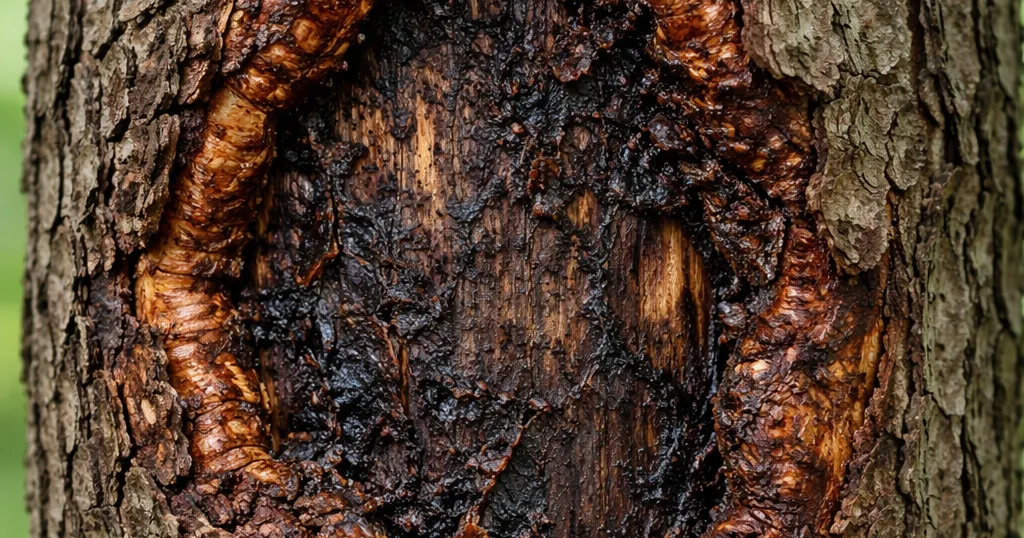
Tree cankers are localized areas of dead bark and underlying wood, often appearing as sunken, discolored lesions. They are typically caused by fungal or bacterial pathogens that invade the tree through wounds or natural openings.

What Cankers Look Like

Cankers are a serious concern because they disrupt the tree’s vascular system, hindering water and nutrient transport. Early identification is key to mitigating their impact.

  • Sunken or Raised Areas: Cankers often appear as depressed, discolored patches on the bark, though some can be swollen or callused.
  • Discolored Bark: The affected bark may turn dark brown, black, or reddish, differing significantly from the healthy bark.
  • Oozing Sap: Some cankers, particularly those caused by bacterial wetwood, may exude a dark, watery, or frothy liquid.
  • Target-Like Rings: On perennial cankers, concentric rings of callus tissue may form as the tree attempts to wall off the infection.
  • Dieback: Branches or entire sections beyond the canker may show signs of wilting, yellowing, and eventual dieback due to interrupted nutrient flow.

Common Canker-Causing Pathogens

Various pathogens cause cankers, and their severity depends on the tree species, pathogen type, and environmental conditions. Drought stress, for example, makes trees more susceptible to attack.

  • Fungal Pathogens: Many fungi, such as those causing Nectria canker or Botryosphaeria canker, are common culprits.
  • Bacterial Pathogens: Certain bacteria can also cause cankers, leading to symptoms like bacterial wetwood.
  • Environmental Stress: Trees weakened by drought, extreme temperatures, or improper planting are more vulnerable to canker development. Extreme drought conditions in Mississippi have led to the death of approximately 12.5 million trees, making them susceptible to secondary issues like cankers.

Local Factors Affecting Tree Health in Tupelo, MS

The local environment significantly influences tree health, making regional expertise vital. Garrison McKinney Tree Service understands the specific challenges trees face in Tupelo and across North Mississippi.

Climate and Soil Conditions

Mississippi’s climate presents unique challenges for tree health, impacting how trees respond to stressors and diseases.

  • Humid Subtropical Climate: Long, hot summers and mild winters, influenced by the Gulf of Mexico, create ideal conditions for fungal outbreaks and insect infestations. Learn more about Mississippi’s climate on Wikipedia.
  • Heavy Precipitation: With 55-65 inches annually, abundant moisture can promote fungal growth, but also contributes to soil saturation.
  • Clay-Rich Soils: Tupelo’s prevalent clay soils can lead to poor drainage and compacted root systems, weakening trees and making them susceptible to leaning or falling after heavy rains.
  • Temperature Swings: Sudden shifts in temperature can stress trees, contributing to issues like frost cracks and increased vulnerability to disease.

Tupelo, MS Tree Regulations

Beyond natural conditions, local regulations play a role in how homeowners manage their trees, especially when dealing with severe health issues.

  • Tree Removal Permits: Permits are often required for removing ‘protected trees’ (8-12 inches DBH or specific native hardwoods like Oak, Maple, Sycamore, American Elm) in Tupelo.
  • Public Property: Removing trees along public streets or on other public property almost always requires a city or county permit.
  • Tree Protection Zones (TPZ): During construction, city codes may mandate fencing off trees in TPZs to prevent root damage, crucial for preserving tree health.
  • Mitigation Requirements: For removed trees, particularly on commercial properties, there may be requirements to replant or contribute to a city tree fund.
  • Specimen and Historic Trees: Designated historic or specimen trees cannot be removed without a public hearing and approval from the City of Tupelo Planning Committee.

Why Professional Expertise is Important

Choosing the right tree service involves more than just price; it’s about trust, professionalism, and quality work. Garrison McKinney Tree Service prioritizes these aspects.

  • Accurate Diagnosis: Only experienced arborists can correctly identify the cause of symptoms and differentiate between minor issues and severe threats.
  • Effective Treatment: Professionals have the knowledge and equipment for targeted treatments, ensuring the best outcome for your trees.
  • Safety: Tree work, especially with compromised trees, is dangerous. Our insured and trained crews prioritize safety for your property and our team.
  • Permit Navigation: We can help you navigate local Tupelo regulations, ensuring all necessary permits are secured for tree removal or major work.
  • Long-Term Health: Our goal is not just to fix the immediate problem, but to promote the long-term health and vitality of your trees.

Preventative Measures and Ongoing Tree Care

Proactive tree care is your best defense against serious bark issues, cracks, and cankers. Implementing consistent maintenance practices can significantly improve your tree’s resilience.

Issue Common Causes Key Indicators Recommended Action
Bark Peeling (Concerning) Disease, pest infestation, severe environmental stress, abnormal growth response Discolored inner wood, fungal growth, insect tunnels, sudden widespread bark loss Schedule a professional tree inspection immediately
Tree Cracks Frost damage, sunscald, storm impact, structural weakness, internal decay Deep vertical or horizontal fissures, sap leakage, cracks near limb unions, visible decay Urgent professional assessment to prevent structural failure
Tree Cankers Fungal or bacterial infection, drought stress, and physical wounds Sunken or dark lesions, oozing sap, branch dieback past the affected area Professional diagnosis and targeted treatment plan
Natural Bark Shedding Normal growth cycle, species-specific behavior such as Sycamore or Birch Healthy green cambium beneath bark, even shedding pattern, no pest or disease signs No intervention needed. Continue routine maintenance

Best Practices for Tree Health

Regular maintenance strengthens trees, making them less susceptible to environmental stressors and pathogens. Think of it as investing in your tree’s future health.

  • Proper Watering: Ensure trees receive adequate water, especially during dry periods. Deep, infrequent watering is better than shallow, frequent watering.
  • Appropriate Fertilization: Use slow-release fertilizers based on soil test results to provide essential nutrients without over-stressing the tree.
  • Correct Pruning: Remove dead, diseased, or damaged branches promptly to prevent pathogen entry and improve air circulation. Always use clean, sharp tools.
  • Mulching: Apply a 2-4 inch layer of organic mulch around the tree base, keeping it away from the trunk. This conserves moisture, moderates soil temperature, and reduces weed competition.
  • Protect from Damage: Guard tree trunks from lawnmower or string trimmer damage, as wounds are prime entry points for disease and pests.

Frequently Asked Questions

Is all bark peeling a sign of tree disease?

Not all bark peeling indicates a serious problem. Young trees often shed bark as they grow, and certain species, like Sycamores, naturally exfoliate. However, if the peeling exposes discolored wood, has fungal growth, or occurs rapidly on mature trees, it’s often a sign of stress or disease.

What causes trees to crack?

Tree cracks can result from various factors, including environmental stress, rapid temperature changes, or physical damage. Vertical cracks might indicate sunscald or frost cracks, while cracks near the base or major limbs could point to structural weakness or internal decay. A professional assessment helps determine the severity.

What exactly is a tree canker?

A canker is a localized, sunken lesion on tree bark, often caused by fungal or bacterial pathogens. It typically appears as discolored, dead tissue that can girdle branches or trunks, disrupting nutrient flow. Early detection and proper management are crucial to prevent the disease from spreading and causing significant damage.

How can I prevent bark peeling, cracks, and cankers?

Preventing these issues involves proper tree care: adequate watering, especially during dry spells; appropriate fertilization; correct pruning techniques; and protecting trees from physical damage. Choosing native, disease-resistant species for planting also reduces susceptibility to local pathogens and stressors.

Do I need a permit to remove a tree in Tupelo, MS?

In Tupelo, MS, permits are often required for removing ‘protected trees’ (8-12 inches DBH or specific hardwoods) or trees on public property. Stricter rules apply in historic districts. Garrison McKinney Tree Service understands these local regulations and can guide you through the permit process, if needed.

When to Contact Garrison McKinney Tree Service

While DIY care is helpful, certain situations always warrant a professional assessment to prevent further damage or ensure safety. Don’t hesitate to seek expert advice.

  • Extensive Bark Damage: If peeling or cracking covers a large portion of the trunk or major limbs, it’s time to call.
  • Deep Cracks: Any crack that extends deep into the wood or significantly compromises the tree’s structure needs immediate attention.
  • Visible Cankers: If you spot sunken lesions, discolored bark, or oozing sap, a professional diagnosis is crucial.
  • Rapid Decline: Sudden and unexplained wilting, yellowing, or leaf loss indicates a serious underlying issue.
  • Hazardous Trees: If a tree shows signs of instability, leans significantly, or has large dead branches, it poses a safety risk that requires expert evaluation and potential Emergency Tree Services.

Final Thoughts on Identifying and Treating Tree Bark Problems in Mississippi

Recognizing the subtle signs of distress, like bark peeling, cracks, and cankers, is the first step in protecting your trees. While some issues are minor, others signal serious threats that require immediate attention. Don’t leave the health and safety of your property to chance. For expert diagnosis, effective treatment, and comprehensive tree care in North Mississippi, reach out to Garrison McKinney Tree Service today. We bring four generations of experience to every job, ensuring your trees receive the best possible care. Visit our website or call us directly to schedule a consultation.

Testimonials

At Garrison McKinney Tree Service, we take pride in providing exceptional tree care to our customers. We would be grateful if you could share your thoughts about our business with others. Your feedback helps us improve and helps others make informed decisions. Please take a moment to leave a review of Garrison McKinney Tree Service and let others know what you think.

Quote
Google star

Laurel A.

Garrison McKinney Tree Service Client

“These guys are THE BEST! And I'm not talking the best in Mississippi or Alabama or Tennessee. They HAVE TO BE in the TOP TEN tree services in the country. Each man had a speciality and he was a master at it ... They saved my house when nobody else would give me the time of day.”

Quote
Google star

Susan E.

Garrison McKinney Tree Service Client

“It was a pleasure to do business with this company. I was amazed at the work they did. The tree was huge, but Chace got it down. The cleanup was awesome. They also pruned a tree that was hanging over the house. The tree is a beautiful tree now and not touching the house.”

Quote
Google star

Shirley B.

Garrison McKinney Tree Service Client

“Respectful, showed up on time, made sure we were happy with the job ... which we were ... they helped us so much after hurricane Florence ... would definitely hire them again.”

Quote
Google star

Vicki S.

Garrison McKinney Tree Service Client

“We highly recommend this team of professional men! They have the knowledge, skill and equipment to tackle any size job!”

Quote
Google star

Yvonne C.

Garrison McKinney Tree Service Client

“Great job! Price was good! Finished the job in a timely manner. Very nice people to work with! Highly recommend them!”

Quote
Google star

Sara Beth K.

Garrison McKinney Tree Service Client

“I requested 3 quotes from various companies and chose Garrison McKinney because of their friendly service, the knowledge that they patiently shared with me, and their price was the fairest. The job was completed exactly when and how they said it would be, and they left my yard in a better condition than they found it.”

Tree Service financing available, as low as 0% *

We offer flexible financing options to make residential tree services more accessible, without the stress of heavy upfront costs.

Covers $500 to $25,000 – Terms from 3 to 60 months

Fast and easy – Check options in under a minute, no credit score impact

No hidden fees – No prepayment, origination, or late fees

* All financing is subject to credit approval. Your terms may vary. Payment options through Wisetack are provided by our lending partners. For example, a $1,200 purchase could cost $104.89 a month for 12 months, based on an 8.9% APR, or $400 a month for 3 months, based on a 0% APR. Offers range from 0-35.9% APR based on creditworthiness. State interest rate caps may apply. No other financing charges or participation fees. See additional terms at https://www.wisetack.com/faqs

Get Paid to Spread the Word

Don't miss out on up to $250 every time you refer a friend or family member to us.

It’s simple:

Tell your friends, family, or neighbors about us.

When they book and complete a service, you get paid.

No limits – the more you refer, the more you earn.

You Can Trust The Experts At Garrison McKinney Tree Service

Licensed Insured Bonded

Call Now for Professional Tree Services

Need tree service, tree removal or 24/7 emergency tree service? Garrison McKinney is North Mississippi's #1 Tree Service. With a 5-star rating, 100s of satisfied clients, and four generations of tree service expertise, you can count on our team 24/7!

Get A Free Estimate

Fill out the form below, and we'll get back to you.