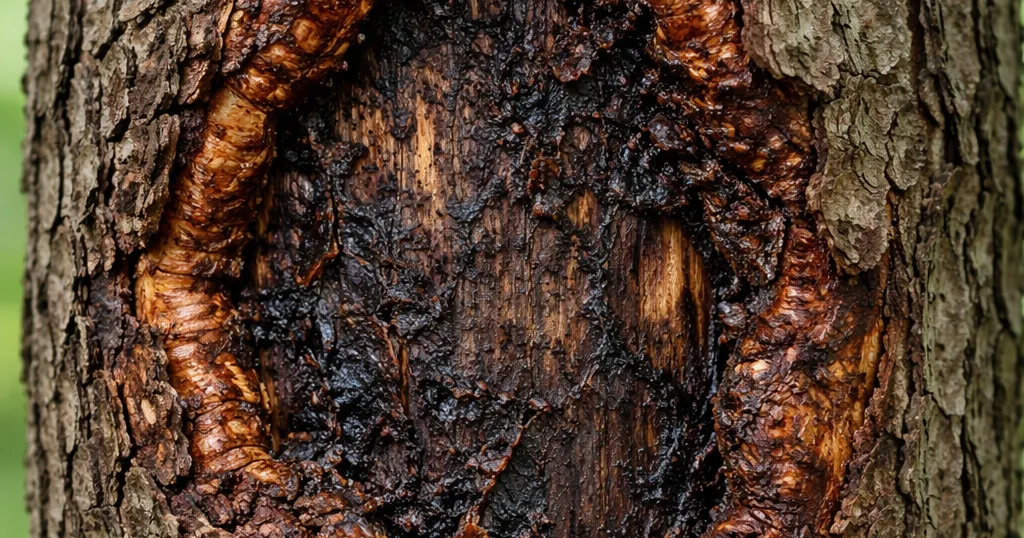
Canker disease on tree bark, showing sunken and damaged areas

Trees add beauty and value to our properties, but subtle changes in their bark can signal serious underlying health issues. Bark cracks and cankers are more than just cosmetic blemishes; they’re critical early warning signs that your tree might be struggling, potentially leading to structural failure. Understanding these indicators can protect your trees and property in North Mississippi.

Key Takeaways

  • Bark cracks and cankers are significant indicators of tree stress, disease, or injury, often leading to structural weakness.
  • North Mississippi’s climate, with its humidity and temperature swings, creates ideal conditions for many tree diseases that cause cankers and cracks.
  • Early identification of these issues is crucial for effective treatment and preventing catastrophic tree failure.
  • A professional arborist assessment is vital to correctly diagnose the cause and determine the best course of action, as DIY solutions often fall short.
  • Preventative measures, like proper watering, pruning, and protection from mechanical injury, are key to maintaining long-term tree health.

What Are Bark Cracks and Cankers?

Bark cracks are splits or fissures in a tree’s outer protective layer, while cankers are localized, dead, and often sunken areas of bark caused by disease. Both compromise a tree’s defenses and can indicate serious health problems.

Understanding Bark Cracks

Bark cracks are physical breaks in the tree’s outer layer, varying from minor superficial splits to deep fissures exposing the inner wood. They often occur due to rapid environmental changes or physical damage.

  • Frost Cracks: Vertical splits occurring in winter due to rapid temperature drops, often on the south or southwest side of the trunk.
  • Sunscald: Damage from intense winter sun on young or thin-barked trees, causing bark to crack and peel.
  • Growth Cracks: Less common, but can occur as a tree grows rapidly, creating tension in the bark.
  • Mechanical Injury: Damage from lawnmowers, construction, or vehicle impacts can create entry points for pathogens and lead to cracking.

Identifying Tree Cankers

Tree cankers are distinct, often sunken lesions on the bark, resulting from fungal or bacterial infections. These pathogens invade through wounds, causing tissue death and disrupting the tree’s ability to transport water and nutrients.

  • Appearance: Can be sunken, discolored, swollen, or have oozing sap. They might appear as target-like rings.
  • Cause: Typically caused by fungi (e.g., Nectria canker, Botryosphaeria canker) or bacteria, often entering through wounds.
  • Impact: Can girdle branches or the main trunk, leading to dieback, branch failure, or even the death of the entire tree.

Common Causes of Bark Cracks and Cankers in North Mississippi

North Mississippi’s unique climate and environmental conditions significantly contribute to the prevalence of bark cracks and cankers in local trees. Understanding these factors helps in prevention and early detection.

Environmental Stressors

Our region’s weather patterns are a primary culprit behind many tree bark issues. Trees here face a range of stressors that weaken their natural defenses.

  • Rapid Temperature Fluctuations: Sudden winter freezes and thaws cause wood to expand and contract quickly, leading to frost cracks.
  • Drought Stress: Extended dry spells weaken trees, making them more vulnerable to disease and pests that cause cankers.
  • Excessive Rain/Flooding: Poor drainage in heavy clay soils can lead to root rot, stressing the tree and predisposing it to bark issues.
  • Sun Exposure: Intense summer sun, especially on thin-barked species or young trees, can cause sunscald, which then cracks.

Pests and Diseases Specific to MS

The hot, humid climate of North Mississippi is unfortunately ideal for many fungal and bacterial pathogens, as well as various insect pests. These biological agents are frequently responsible for canker development.

  • Fungal Diseases: Common culprits like Botryosphaeria, Nectria, and Hypoxylon cankers thrive in our humidity, often attacking stressed trees.
  • Bacterial Cankers: Less common but can occur, often associated with wet conditions.
  • Insect Infestations: Pests like Ambrosia beetles create entry points for canker-causing fungi, while borers can cause significant bark damage that mimics cracks.

Mechanical Injury and Poor Pruning

Human activities, both accidental and intentional, frequently create wounds that serve as entry points for pathogens or directly cause bark damage. Even seemingly minor injuries can have major consequences.

  • Lawnmower/Weed Trimmer Damage: Wounds at the base of the trunk are common entry points for diseases and can lead to girdling.
  • Construction Damage: Root compaction or trunk injury during construction severely stresses trees.
  • Improper Pruning: Leaving stubs, making flush cuts, or pruning at the wrong time of year creates wounds that heal poorly and invite pathogens.

Recognizing the Early Warning Signs

Catching bark cracks and cankers early is vital for successful treatment and preventing further damage. Knowing what to look for can make all the difference.

Visual Cues of Bark Cracks

Bark cracks aren’t always immediately obvious, but certain visual cues should prompt a closer look.

  • Vertical Splits: Look for long, narrow cracks running up and down the trunk.
  • Exposed Wood: If the crack is deep enough to reveal the lighter wood beneath the bark, it’s a significant issue.
  • Raised Edges: The bark around a frost crack might be slightly swollen or raised.
  • Oozing Sap: Sap leaking from a crack can indicate an underlying wound or infection.

Indicators of Canker Development

Cankers often present with distinct characteristics that differentiate them from simple bark cracks.

  • Sunken or Discolored Bark: Areas that appear shrunken, darker, or lighter than surrounding healthy bark.
  • Swollen Margins: The tree may attempt to wall off the canker, creating a raised edge around the lesion.
  • Target-Like Rings: Some cankers grow in concentric rings, indicating periods of disease activity and dormancy.
  • Dieback: Branches beyond the canker often show signs of wilting, yellowing, or premature leaf drop.

When to Worry: Red Flags

While any bark anomaly warrants attention, some signs indicate a more urgent need for professional intervention. Over 80% of trees that fail during storms exhibit pre-existing defects, underscoring the importance of early action.

  • Deep Cracks with Decay: If a crack exposes decaying wood or soft, punky tissue.
  • Cankers Girdling the Trunk: A canker affecting more than 25% to 40% of the tree’s circumference is a serious threat, with over 120° considered severe.
  • Rapidly Spreading Lesions: Cankers that are growing quickly or multiplying on the tree.
  • Presence of Frass/Sawdust: This indicates boring insects, which can introduce or exacerbate cankers.

The Dangers of Neglecting Tree Bark Issues

Ignoring bark cracks and cankers is a gamble with your tree’s health and your property’s safety. These issues rarely resolve on their own and typically worsen over time, leading to significant consequences.

Structural Integrity and Tree Failure

Compromised bark is a direct threat to a tree’s structural integrity. When the protective outer layer is breached, the inner wood becomes exposed and vulnerable.

  • Internal Decay: Cracks and cankers provide entry points for moisture and decay fungi, leading to heart rot and weakened wood. Heart rot alone causes 75% of losses in merchantable hardwood timber in the South.
  • Weakened Trunk/Branches: A tree’s ability to withstand wind and storms is severely reduced when its structural components are compromised.
  • Increased Failure Risk: Trees with cankers and associated decay covering 25% to 40% of their circumference face a moderate risk of failure; over 40% is high risk. Root and trunk failure each account for approximately 25% of overall tree failures.

Spread of Disease and Pest Infestation

Open wounds in a tree are like open doors for opportunistic pests and pathogens, turning a localized problem into a widespread infestation or disease.

  • Pathogen Entry: Cankers themselves are often caused by pathogens, but cracks also allow easy entry for other bacteria and fungi.
  • Insect Attraction: Stressed trees with bark damage emit chemicals that attract pests like bark beetles and borers, which can further weaken the tree and spread disease.
  • Contagion: Some diseases, once established, can spread to other nearby trees, especially if they are of the same susceptible species.

Property Damage and Safety Risks

The ultimate danger of neglecting severe bark issues is the risk of tree failure, which can have devastating consequences for your property and the safety of those around it.

  • Falling Branches/Trees: A structurally compromised tree is a significant hazard, especially during storms, posing a risk to homes, vehicles, and power lines.
  • Personal Injury: The risk of injury to people from falling limbs or entire trees is substantial.
  • Increased Liability: As a property owner, you might be held liable for damages or injuries caused by a neglected tree on your land.

Diagnosis and Assessment: When to Call a Professional Arborist

While you can spot initial signs, accurately diagnosing the cause and severity of bark cracks and cankers requires the expertise of a professional arborist. They possess the knowledge and tools to provide a precise assessment.

The Role of a Professional  Arborist

A professional arborist is a tree care specialist with extensive training in tree biology, diagnosis, and treatment. Their role is to provide science-backed solutions for tree health.

  • Accurate Diagnosis: They can identify the specific type of crack or canker and its underlying cause (e.g., specific pathogen, environmental stressor).
  • Risk Assessment: An arborist evaluates the tree’s structural integrity and determines the risk of failure, crucial for safety.
  • Treatment Planning: They develop a tailored treatment plan, which might include pruning, disease management, or environmental adjustments.
  • Compliance: Professionals understand local regulations, including the Tree Surgery License required by the Mississippi Department of Agriculture and Commerce (MDAC).

DIY Inspection vs. Expert Evaluation

Trying to handle serious tree issues yourself can often lead to further damage or ineffective treatment. A professional assessment offers a level of insight and safety that DIY methods cannot match.

Feature DIY Inspection Professional Arborist Evaluation
Tools Required Visual observation, basic gardening tools Resistographs, increment borers, and specialized diagnostic equipment
Knowledge Base General tree care guides, internet searches Extensive training in tree pathology, entomology, and biomechanics
Risk Assessment Subjective evaluation that may underestimate risk Objective, data-driven assessment of structural failure potential
Treatment Options Basic pruning and general care methods Targeted disease treatment, structural support, and advanced arboricultural care
Safety Higher risk due to lack of equipment and training Professional crews with proper safety systems and equipment
Long-term Outlook Short-term fixes that may not solve underlying problems Long-term strategy to protect tree health and property safety

Effective Treatment and Management Strategies

Once identified, effective treatment and management strategies are critical to halt the progression of bark cracks and cankers and to restore your tree’s health. The approach varies based on the cause and severity.

Pruning and Removal of Affected Areas

Removing compromised sections is often the first step in managing cankers and severe cracks, preventing further spread and promoting healing.

  • Canker Excision: Carefully pruning out branches with cankers can prevent the disease from spreading to the main trunk or other parts of the tree.
  • Deadwood Removal: Eliminating dead or dying branches reduces potential entry points for pathogens and improves tree structure.
  • Proper Pruning Techniques: Always use sterilized tools and make clean cuts at the appropriate locations to encourage proper wound closure.

Environmental Adjustments and Tree Health Improvement

Addressing the underlying environmental stressors is crucial for long-term tree health. A tree under less stress is better equipped to fight off disease and heal from injuries.

  • Appropriate Watering: Ensure trees receive adequate water during dry periods, especially young trees, to reduce drought stress.
  • Soil Improvement: Amend heavy clay soils in North Mississippi to improve drainage and aeration, reducing root stress.
  • Mulching: Apply a layer of organic mulch around the tree base to retain moisture, regulate soil temperature, and prevent mechanical injury.

Advanced Arboricultural Treatments

For more severe or persistent issues, arborists may employ specialized treatments to save a valuable tree. These are typically performed by experienced professionals.

  • Fungicidal/Bactericidal Treatments: In some cases, specific chemical treatments can help manage active canker diseases.
  • Wound Care: While historically debated, some severe wounds may benefit from specialized treatments to promote healing.
  • Cabling and Bracing: For structurally weakened trees, cabling or bracing can provide support and prevent failure, buying time for recovery or allowing for safe removal planning.

Preventative Measures for Healthy Trees

Preventing bark cracks and cankers is always more effective than treating them. Proactive care ensures your trees remain healthy and resilient against the challenges of the North Mississippi environment.

Proper Planting and Site Selection

The foundation of a healthy tree begins with proper planting and considering its specific needs for the local climate.

  • Choose the Right Species: Select trees well-suited to North Mississippi’s climate, soil, and sun exposure to minimize stress.
  • Correct Planting Depth: Plant trees at the proper depth, ensuring the root flare is visible, to prevent girdling roots and stress.
  • Adequate Spacing: Give trees enough room to grow without competing for resources or being damaged by structures.

Regular Maintenance and Pruning Practices

Consistent and correct maintenance practices are crucial for preventing wounds and bolstering a tree’s natural defenses.

  • Routine Inspections: Regularly check your trees for any signs of cracks, cankers, or pest activity.
  • Timely Pruning: Remove dead, diseased, or damaged branches promptly to eliminate pathogen entry points and improve air circulation.
  • Sterilize Tools: Always clean pruning tools between cuts and between trees to prevent the spread of disease.
  • Avoid Topping: Never ‘top’ a tree, as this creates large wounds and promotes weak, unhealthy growth.

Protecting Trees from Environmental Stress

Protecting trees from external threats, both natural and man-made, is a key preventative strategy.

  • Winter Protection: Wrap the trunks of young, thin-barked trees in winter to prevent frost cracks and sunscald.
  • Water During Droughts: Provide supplemental water during extended dry periods to reduce drought stress.
  • Physical Barriers: Use tree guards or mulch rings to protect trunks from lawnmower and weed trimmer damage.

Understanding Costs for Bark Crack and Canker Treatment

The cost of addressing bark cracks and cankers varies widely depending on the tree’s size, the severity of the issue, and the required treatment.

Factors Influencing Cost

Several factors influence the overall expense of diagnosing and treating tree bark problems. These elements determine the complexity and duration of the work.

  • Tree Size and Type: Larger trees, or those with difficult access, require more time, equipment, and expertise.
  • Severity of Damage: Extensive cankers or deep cracks requiring specialized treatment will incur higher costs.
  • Type of Treatment: Simple pruning is less expensive than advanced disease management, cabling, or full tree removal.
  • Accessibility: Trees located in challenging spots, near structures, or over power lines will increase labor costs.
  • Local Regulations: Obtaining permits for tree removal in Tupelo, MS, may add to the overall cost and timeline.

Frequently Asked Questions

What exactly are bark cracks on trees?

Bark cracks are splits in the tree’s outer bark, often caused by environmental stress like rapid temperature changes (frost cracks), sun exposure (sunscald), or mechanical injury. They can be superficial or extend deep into the wood.

How do tree cankers differ from bark cracks?

Tree cankers are localized dead areas of bark and underlying tissue, often sunken or discolored, caused by fungal or bacterial infections. They can girdle branches or trunks, disrupting nutrient flow and leading to dieback.

What are the most obvious signs of bark cracks or cankers?

Look for deep, uneven cracks exposing wood, oozing sap, discolored or wilting leaves, and dead branches. For cankers, identify sunken, discolored patches, swollen areas, or areas where bark has peeled away.

Why are bark cracks and cankers common in North Mississippi?

North Mississippi’s hot, humid climate, combined with sudden temperature shifts and heavy clay soils, creates ideal conditions for fungal diseases and insect infestations that often cause or exacerbate these issues.

What happens if I ignore bark cracks or cankers on my trees?

If left unaddressed, bark cracks and cankers can lead to internal decay, structural weakness, increased susceptibility to pests, and ultimately, tree failure, posing risks to property and safety.

When should I call a professional arborist for these tree problems?

A Professional  Arborist provides expert diagnosis, identifies the underlying cause, and recommends the most effective treatment, which might include pruning, disease management, or structural support.

Protecting Tree Health Through Early Detection and Professional Care

Recognizing bark cracks and cankers early is critical for protecting both your trees and your property. These are not cosmetic flaws. They are clear indicators of underlying stress, disease, or structural weakness that can lead to serious tree failure if left unaddressed.

Early detection and risk awareness make all the difference. In North Mississippi’s climate and soil conditions, professional evaluation helps prevent minor defects from turning into major hazards. Garrison McKinney Tree Service provides experienced, local tree assessments to identify risks early and recommend the safest, most effective path forward for long-term tree health and safety.

Testimonials

At Garrison McKinney Tree Service, we take pride in providing exceptional tree care to our customers. We would be grateful if you could share your thoughts about our business with others. Your feedback helps us improve and helps others make informed decisions. Please take a moment to leave a review of Garrison McKinney Tree Service and let others know what you think.

Quote
Google star

Laurel A.

Garrison McKinney Tree Service Client

“These guys are THE BEST! And I'm not talking the best in Mississippi or Alabama or Tennessee. They HAVE TO BE in the TOP TEN tree services in the country. Each man had a speciality and he was a master at it ... They saved my house when nobody else would give me the time of day.”

Quote
Google star

Susan E.

Garrison McKinney Tree Service Client

“It was a pleasure to do business with this company. I was amazed at the work they did. The tree was huge, but Chace got it down. The cleanup was awesome. They also pruned a tree that was hanging over the house. The tree is a beautiful tree now and not touching the house.”

Quote
Google star

Shirley B.

Garrison McKinney Tree Service Client

“Respectful, showed up on time, made sure we were happy with the job ... which we were ... they helped us so much after hurricane Florence ... would definitely hire them again.”

Quote
Google star

Vicki S.

Garrison McKinney Tree Service Client

“We highly recommend this team of professional men! They have the knowledge, skill and equipment to tackle any size job!”

Quote
Google star

Yvonne C.

Garrison McKinney Tree Service Client

“Great job! Price was good! Finished the job in a timely manner. Very nice people to work with! Highly recommend them!”

Quote
Google star

Sara Beth K.

Garrison McKinney Tree Service Client

“I requested 3 quotes from various companies and chose Garrison McKinney because of their friendly service, the knowledge that they patiently shared with me, and their price was the fairest. The job was completed exactly when and how they said it would be, and they left my yard in a better condition than they found it.”

Get Paid to Spread the Word

Don't miss out on up to $250 every time you refer a friend or family member to us.

It’s simple:

Tell your friends, family, or neighbors about us.

When they book and complete a service, you get paid.

No limits – the more you refer, the more you earn.

You Can Trust The Experts At Garrison McKinney Tree Service

Licensed Insured

Call Now for Professional Tree Services

Need tree service, tree removal or 24/7 emergency tree service? Garrison McKinney is North Mississippi's #1 Tree Service. With a 5-star rating, 100s of satisfied clients, and four generations of tree service expertise, you can count on our team 24/7!

Book A Consultation

Fill out the form below, and we'll get back to you.